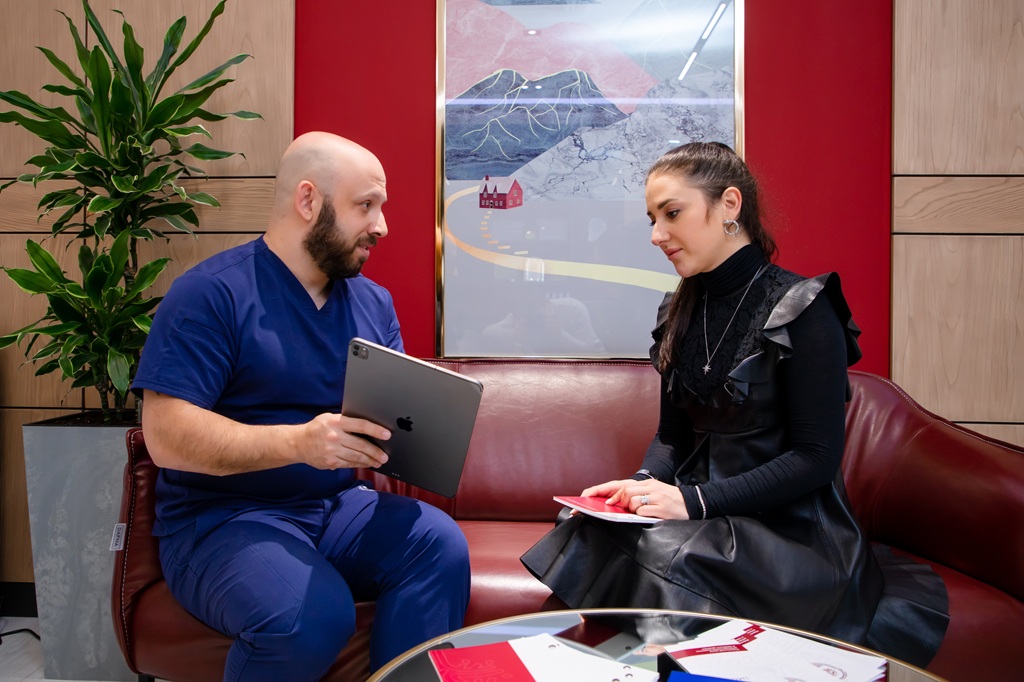
How to Prepare for a Consultation with a Reproductive Specialist
Your first visit to a reproductive specialist is an important step on the path to planning a pregnancy. To make the consultation as effective as possible, it’s best to prepare in advance.
1. Gather your medical documents
Bring all previous test results with you, including:
- Pelvic ultrasound
- Blood tests (hormonal profile, infections, biochemistry, etc.)
- Semen analysis results (for couples)
- Discharge summaries from previous medical facilities
- Information about past surgeries, chronic conditions, and allergies
2. Prepare information about your menstrual cycle
It is helpful to note the start date of your last period, cycle length, presence of pain, or irregularities.
This information helps the doctor accurately calculate ovulation and choose the optimal timing for examinations.
3. Make a list of the medications you are taking
List all medications, vitamins, and supplements you are currently taking, including dosages and duration of use.
4. Write down the questions you want to discuss
To avoid forgetting important details, prepare a list of questions in advance, such as:
- What tests do I need to undergo?
- What are the possible causes of infertility in our case?
- Which treatment methods are suitable for us?
- How should we prepare for IVF if it is recommended?
5. Come to the consultation with your partner
A joint examination and discussion allow the doctor to gain a complete understanding of the couple’s reproductive health and choose the most effective treatment strategy.
6. Be ready for an open conversation
It is important for the reproductive specialist to know all the details of your medical history — even those that may seem insignificant.
Be prepared to honestly discuss topics related to intimate health, lifestyle, stress, and habits.
7. If the consultation is online
Ensure you have a stable internet connection and that your camera and microphone are working properly.
Prepare your documents in digital form (scans or photos of test results).
Good preparation helps the doctor assess your situation more accurately and develop a personalized diagnostic and treatment plan more quickly.