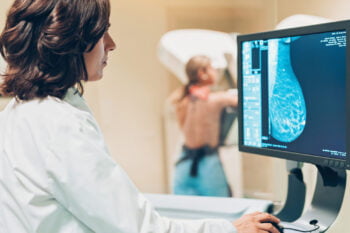
What does a mammologist do
A mammologist is a doctor who specializes in the diagnosis, treatment, and prevention of breast diseases. Mammologists are involved in the prevention, early detection, and treatment of various breast pathologies, including benign and malignant tumors, inflammatory processes, and other diseases. The main areas of a mammologist’s work include:
- Preventive examinations: Regular checks of breast condition for early detection of diseases.
- Diagnosis of diseases: Includes ultrasound, mammography, and other imaging methods for accurate diagnosis.
- Treatment of diseases: Developing a treatment plan for various pathologies, including mastopathy, fibroadenomas, and breast cancer.
- Surgical interventions: When necessary, performing minor operations to remove benign and malignant formations.
- Prevention consultations: Recommendations on lifestyle, nutrition, and other aspects aimed at reducing the risks of developing breast diseases.
When a mammologist consultation is required
Consultation with a mammologist is necessary in the following cases:
- Preventive examination: Recommended once a year, especially after age 40.
- Pain or discomfort in the breasts: Constant or periodic pain may be a symptom of diseases.
- Changes in breast shape or size: Any visible changes require a medical examination.
- Nipple discharge: The presence of discharge, especially with blood, is a serious reason to see a doctor.
- Lumps in the breast: Discovering nodules or lumps requires immediate examination.
- Inflammation or redness of the skin on the breast: Can also be one of the manifestations of breast diseases.
- Hereditary predisposition to breast diseases: If relatives have had breast diseases, especially cancer, regular monitoring is necessary.
What diseases a mammologist diagnoses and treats
Let’s consider the main diseases that a mammologist diagnoses and treats.
- Mastopathy: Includes benign changes in breast tissue associated with hormonal disorders.
- Fibroadenoma: A benign neoplasm, often found in young women.
- Breast cysts: Cavity formations filled with fluid, which can be painful and require treatment.
- Breast cancer: A malignant neoplasm requiring a comprehensive approach to treatment, including surgery, chemotherapy, and radiotherapy.
- Infectious diseases of the breast: Include mastitis, abscesses, and other inflammatory processes.
- Gynecomastia: Enlargement of breasts in men, often related to hormonal disorders.
- Papillomas and other benign neoplasms: Various types of benign tumors requiring observation and, if necessary, removal.
- Skin and nipple changes: Include eczema, dermatitis, and other skin diseases related to the breast area.
What to bring to the appointment
For a mammologist appointment, it is recommended to bring:
- Passport or identification document
- Medical record (if available)
- Results of previous tests and examinations
- List of medications being taken
- Questions you want to ask the doctor
How a mammologist appointment at the reproductive center proceeds
During the initial consultation, the mammologist will conduct a detailed interview and examination, study your medical history, and prescribe the necessary diagnostic tests. Based on the data obtained, the doctor will develop an individual treatment plan and give recommendations for further actions.
A mammologist appointment at our center proceeds in several stages:
- History taking: The doctor asks questions about your health, past medical experience, and family history of diseases.
- Examination and diagnosis: Conducting a physical examination and necessary diagnostic procedures (ultrasound, mammography, blood tests for hormone levels and tumor markers, biopsy, etc.).
- Consultation and recommendations: The doctor explains the examination results, makes a diagnosis, and suggests a treatment or prevention plan.
- Treatment prescription: If necessary, the doctor prescribes medications or procedures and explains how to take them correctly.
What to ask the mammologist during the consultation
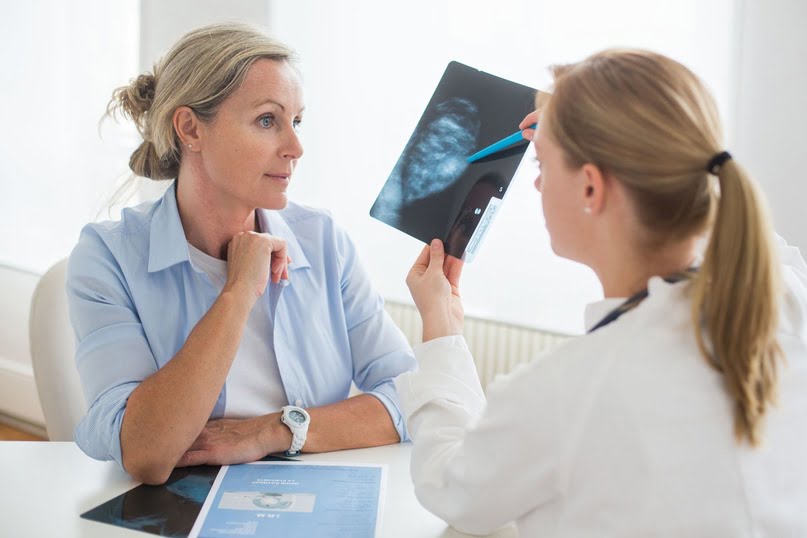
During a mammologist consultation, you can ask the following questions:
- What preventive measures can I take to maintain breast health?
- What is the nature of the lumps or changes found in my breast?
- What diagnostic methods do you recommend in my case?
- What treatment options are available for my condition?
- How often should I have preventive examinations?
- Can I do anything to reduce the risk of developing breast cancer?
Scheduling a consultation
To schedule a consultation with a mammologist at the Israeli Medical Center for Reproductive Medicine and Family Health in Tashkent, you can use:
- Online booking on our website
- A call to the phone number listed on the website
- A personal visit to our center
Treatment of breast diseases
Treatment of breast diseases depends on the specific diagnosis and may include the following methods:
- Drug therapy: Using medications to treat inflammatory processes and benign tumors.
- Surgical treatment: Removal of benign and malignant tumors, reconstructive surgeries.
- Radiation therapy: Using radiation to destroy cancer cells.
- Chemotherapy: Treating breast cancer with anti-cancer drugs.
- Hormone therapy: Using hormonal drugs to treat hormone-dependent tumors.
Make an appointment
Advantages of the Israeli Medical Center for Reproductive Medicine and Family Health in Tashkent
- Modern equipment: Use of the latest technologies and equipment for accurate diagnosis and treatment of breast diseases.
- Highly qualified specialists: Experienced doctors with international certification and many years of experience.
- Comprehensive approach: Full range of services from prevention to treatment and surgical intervention.
- Individual approach: Personalized treatment and examination programs developed considering the health characteristics of each patient.
- Comfortable conditions: Modern rooms and a friendly atmosphere, ensuring a comfortable stay for patients.
Prevention of breast diseases
Prevention plays a key role in maintaining breast health. It is recommended to:
- Regularly perform breast self-examinations
- Visit a mammologist for preventive check-ups
- Maintain a healthy lifestyle, including proper nutrition and physical activity
- Avoid bad habits such as smoking and excessive alcohol consumption
The path to breast health together with IMC
A mammologist consultation at the Israeli Medical Center for Reproductive Medicine and Family Health in Tashkent is an opportunity to receive professional medical care and attention to your health. Our specialists are ready to help you maintain your health and well-being for many years to come. Contact us to learn more about our services and schedule a consultation.
Frequently asked questions
How often should I visit a mammologist?
It is recommended to visit a mammologist once a year for a preventive examination and timely detection of diseases.
How to prepare for a mammologist appointment?
Preparation includes performing hygiene procedures, gathering medical documents, and making a list of questions for the doctor.
How to choose the right diagnostic method?
The choice of diagnostic method depends on age, health status, presence of symptoms, and other factors. The doctor will help choose the most suitable option.
What to do if lumps are found in the breast?
If lumps are found in the breast, it is necessary to immediately consult a mammologist for diagnosis and treatment selection.
What day of the cycle should I come for a mammologist consultation?
The most optimal time to visit a mammologist is the first few days after the end of menstruation (from the 5th to the 12th day of the cycle), when the breasts are less sensitive and the examination will be most informative.
Reviews
Klinikadagi barcha shifokorlar va xodimlari yuqori malakali o’z ishining yetuk mutaxassislari va jahon standartlari darajasida faoliyat olib borishlari menga yoqdi.O’zbekistondagi reproduktiv klinikalar ichida №-1 klinika.
Assalomu aleykum yaxshimisiz, sizlarga kattakon rahmat aytmoqchiman ayniqsa Anvar Davranovichga kattakon rahmat bizlarning eng katta orzularimizdan biri bòlgan ota-ona bòlish orzuimiz amalga oshmoqda, kecha menga ПГТ-а javoblari ijobiy ekanlikini aytganlarida rosa hursand bòldim insha alloh orzuimiz sizlar tufayli amalga oshmoqda klinikangizga kattakon rahmat
биз 3 йил бепуштликдан сунг Дильнозопамда даволаниб юрдик, жуда билмли, хушмуомала ва сабрли шифокор, Оллох инояти билан угил-киз эгизак фарзандлик болдик. Мен хам оналик макомига эришдим.Клиника ходимлари жуда хуш муомала хаммага маслахат бераман
Я бы хотела написать про очень хорошую клинику ИМЦ, и особенно про врачей которые там работают. Я обслуживалась у прекрасного врача Кудратова Дилноза Шарифовна! Спасибо ей за такое внимание пациентам, после 14 лет бесплодия я наконец то стану мамой, и все благодаря ей. если когда-нибудь кому нибудь нужна будет помощь то я советую только к ней и в эту клинику очень персонал и обслуживание на высшем уровне!
жуда хушмуомала дохтир, мен эко килдирдим 7 йил деганда биринчи уринишда йук хомиладор болдим мана кеча кизалогимизни багримга босволдим миннатдорман бошидан охиригача куллаб келдилар маслахатларини аямай.
Спасибо всем врачам особенно Анвару Даврановичу и всем остальным