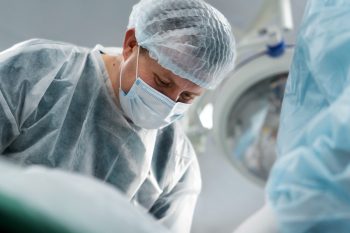
An important step on the path to health and fulfilling the desire to become parents is timely and careful surgical interventions. At IMC, we perform only those surgeries that truly help improve diagnosis or restore reproductive function — and we do this as gently as possible: through minimally invasive access, under visualization control, and with thorough anesthesiological support. Below is a detailed description of the main procedures, what to expect before, during, and after the intervention, and why patients trust us specifically.
General information about the surgical direction at IMC
Our surgeries are focused on reproductive medicine: all interventions are aimed at increasing the chances of pregnancy and reducing the risk of complications. We use endoscopic approaches — transvaginal puncture, hysteroscopy, hysteroresectoscopy — as well as microsurgical techniques for male factor infertility (TESE, Micro-TESE). Each procedure is performed with ultrasound control or optical visualization, which increases accuracy and safety. The team includes reproductive surgeons, experienced anesthesiologists, and embryologists — this allows all necessary decisions to be made quickly and with high clinical precision.
Transvaginal follicular puncture (puncture for IVF)
Transvaginal follicular puncture is a key stage of the in vitro fertilization program. Under the control of an ultrasound probe, the doctor guides a thin needle through the vagina to the follicle and carefully aspirates the follicular fluid containing the egg. The procedure is performed under light medicated sleep (sedation or short general anesthesia) and usually takes 10–20 minutes.
The transvaginal access minimizes tissue trauma and eliminates external incisions. Real-time ultrasound control allows precise targeting of the follicle even when sizes are small. The quality of the retrieved oocytes directly affects the subsequent success of ICSI/IVF, so at IMC, the puncture is performed jointly with an experienced embryologist, so that the material immediately enters optimal processing and vitrification conditions if necessary.
After the procedure, you remain under observation for several hours; mild soreness and slight bloody discharge are possible but usually resolve within 24–48 hours. We provide detailed recommendations for behavior in the first days and schedule a follow-up contact with the embryologist and reproductologist.
Follicular cyst puncture
Aspiration of the contents of a follicular cyst is a minimally invasive manipulation under ultrasound control. The goal is to reduce the volume of the formation, reduce pain, prevent complications (torsion, rupture) and improve the ovarian response when planning IVF. The manipulation is performed transvaginally with a thin needle, restores comfort, and often allows the treatment program to continue without long pauses.
TESE and Micro-TESE – methods for obtaining sperm
TESE (testicular sperm extraction) and Micro-TESE are methods for obtaining sperm in men with azoospermia. TESE is an open testicular biopsy; Micro-TESE is a more precise technique under an operating microscope, allowing minimization of the volume of tissue removed and increasing the likelihood of finding viable sperm in cases of serious spermatogenesis disorders.
Both procedures are performed under general anesthesia. The obtained material is sent to the embryological laboratory for immediate assessment and preparation for ICSI. Recovery usually takes a few days; soreness and slight scrotal swelling are possible. The decision on the choice of method is made individually, jointly with the andrologist and reproductologist.
Hysteroscopy – a look inside the uterine cavity
Hysteroscopy is an endoscopic diagnosis of the uterine cavity with a thin optical instrument. It allows visualization of the endometrium and cervical canal, identification of polyps, synechiae, septa, or other intrauterine changes that may be the cause of repeated IVF failures, miscarriages, or infertility. The procedure is often performed on an outpatient basis under light sedation; video recordings and photos are saved in the medical record for analysis and planning.
Hysteroresectoscopy – simultaneous diagnosis and treatment
Hysteroresectoscopy is an operative hysteroscopy that allows simultaneous removal of polyps, submucous fibroids, septa, and synechiae without external incisions. This is a gentle intrauterine access with high precision and a short recovery period. After such surgery, most patients return to normal activity shortly; when preparing for pregnancy, the doctor coordinates the optimal time for further attempts.
Preparation for surgery and pre-operative examinations
Preparation for surgery is the key to a safe and comfortable intervention. At IMC, we accompany the patient at every step: from the preliminary consultation to discharge and follow-up visits. The typical pre-operative protocol includes the following elements, which are selected individually depending on the scope of the intervention and your health.
Pre-operative consultation and examination. During the initial meeting, the surgeon and anesthesiologist assess the indications, discuss the scope of the intervention, risks, and expected outcomes; if necessary, additional examination is prescribed.
Standard set of laboratory tests. This usually includes a complete blood count, biochemistry (including liver and kidney function indicators), coagulogram (to assess clotting), blood group and Rh factor, tests for infections (HIV, HBsAg, HCV, syphilis) — depending on the situation. Women additionally undergo a pregnancy test before any surgery on the reproductive organs.
Cardio and functional assessment. An electrocardiogram (ECG) is prescribed as indicated (age, comorbidities), and if necessary — consultation with a therapist or cardiologist. The anesthesiologist conducts a pre-operative examination, discusses the type of anesthesia, possible allergies, and recommendations for medication intake.
Specific examinations for reproductive profile surgeries. For TESE — hormonal profile, scrotal ultrasound; for hysteroscopy/hysteroresectoscopy — ultrasound assessment of the uterus and adnexa, if indicated — hysterosalpingography to assess the tubes. For transvaginal puncture, ultrasound control and the picture of response to stimulation are performed.
Recommendations for medication intake. The intake of anticoagulants and antiplatelet agents (aspirin, warfarin, new oral anticoagulants) is coordinated with the attending physician and anesthesiologist; if necessary, they are temporarily discontinued within safe timeframes. Adjustment of chronic therapy (antihypertensive, hypoglycemic drugs) is discussed individually.
Instructions on diet and regimen before surgery. As a rule, it is recommended not to eat for 6–8 hours before general anesthesia (drinking a small amount of water — in agreement with the anesthesiologist). Surgeries under local anesthesia/sedation may have softer requirements; these points are discussed in advance.
Hygiene and preparation. 24 hours before the intervention, it is recommended to take a shower, not to apply cosmetics, and to remove nail polish and jewelry. For some interventions, the doctor may recommend specific hygiene measures.
Organizational matters. Prepare an accompanying person for the day of the surgery (transport is required after anesthesia), bring medical documents, a list of medications, and a contact phone number. The clinic coordinator assists with organization and answers all logistical questions.
Psychological preparation. We also pay attention to the emotional state: the anesthesiologist and surgeon will explain what exactly will happen and answer questions; if necessary, we provide contacts for a psychologist or reproductive health consultant.
Preparation, safety, and anesthesia
A unified standard of pre-operative preparation applies to all surgeries at IMC. The doctor assesses the general condition, prescribes tests, and discusses the details of anesthesia and the post-operative period. Most endoscopic interventions are performed under short general anesthesia or sedation: this increases comfort and reduces stress. For microsurgical operations (Micro-TESE), general anesthesia and microsurgical technique are used for maximum precision.
The operating rooms are equipped with modern life support, monitoring, and sterilization systems. An important part of safety is the interaction of the operating team with the embryological service and laboratory: for interventions requiring biological material, the entire algorithm is coordinated and ensures quick transfer of the material under sterile conditions.
Early post-operative care and observation
We do not say goodbye to the patient immediately after discharge — post-operative support is prescribed and clear. After outpatient interventions, we provide oral and written instructions on pain relief, limitation of physical activity, specifics of sexual life, and signs that require urgent medical attention. During planned hospitalization, the patient remains under observation until stable, receives recommendations for recovery, and anesthesia discharge notes.
If a biopsy was taken during the surgery or material was obtained for histology, the doctor comments on the results and coordinates the further treatment plan. For interventions affecting reproductive function, subsequent cycles involve monitoring recovery and, if necessary, prescribing assisted reproductive tactics.
Advantages of the Israeli Medical Center (IMC) in the surgical direction
We understand: entrusting your body and hope for a child to a team of surgeons is a big decision. That’s why at IMC we have created a complex where every detail works for the result and your comfort.
- Experience and specialization. Our reproductive surgeons have many years of experience specifically in surgeries for preserving and restoring fertility and regularly improve their skills.
- Modern equipment. The clinic’s arsenal includes high-resolution video hysteroscopes, operating microscopes, expert-class ultrasound equipment, and modern anesthesiological support.
- Cohesive team. Surgeon, anesthesiologist, embryologist, nurse, and coordinator — all work as a single unit, which is especially important when working with biomaterial.
- Individual approach. The surgical plan is drawn up after a thorough assessment, taking into account reproductive plans and comorbidities.
- Support and rehabilitation. The coordinator assists with logistics, provides recommendations, and remains in contact after discharge.
- Transparency and safety. You receive complete information about the risks, benefits, and expected outcomes before the intervention.
Schedule a consultation at IMC
If you are considering or have been recommended a surgical path to solve a problem — schedule a consultation. At IMC, we will discuss the indications and alternatives, assess the risks, and propose a path that maximally respects your health and time. To schedule an appointment and for more information, call or submit a request on ivf.uz — our coordinators will promptly help you prepare for your visit.
Send a request
Часто задаваемые вопросы
Is it painful?
Most interventions are performed under sedation or general anesthesia, so you do not experience pain during the surgery. In the first 1–3 days after endoscopic surgery, pulling sensations or colic are possible; we provide recommendations for pain relief and care.
How long does recovery take?
For outpatient endoscopic interventions — usually 24–48 hours of active rest; complete recovery takes from several days to 2 weeks depending on the scope of the surgery. For microsurgical interventions, recovery may be longer — your doctor will tell you in advance what to expect.
When can pregnancy be planned after surgery?
This depends on the type of intervention. After removal of a polyp or separation of synechiae, it is usually recommended to wait for one or two menstrual cycles and ensure the uterine cavity has recovered. In the case of follicular puncture, the puncture itself is integrated into the IVF cycle. The exact timing is determined by the attending physician.
Are there risks to future fertility?
All surgeries at IMC are aimed at preserving and improving fertility. Risks are minimal with the correctly chosen technique and an experienced team. We discuss possible complications and ways to prevent them in detail before the intervention.
Is hospitalization necessary?
Many interventions are performed on an outpatient basis. In some cases (for example, with Micro-TESE or if observation is needed), short hospitalization for 1–2 days is indicated.
Reviews
Очень мне понравилась эта клиника. Приветливый персонал. Хорошие специалисты. Все чисто, стерильно и аккуратно. Всем советую гинеколога Зевар Имамназаровну. Обязательно приходите.
Безмерно благодарна Израильскому мед центру за такое счастье быть родителями ❤️. Я стала Мамой прекрасной девочки. Мой врач это Зевар Имомназаровна!!!! Это лучший специалист в области репродукции. Бесконечная благодарность всем сотрудникам центра. Девочки в регистратуре Фатима просто солнечный человек. И Нилюфар!!! Всегда отвечают на звонки и просьбы!!!!
Хотелось бы выразить благодарность врачам клиники. Замечательный коллектив , профессионалы в своём деле . Была на приеме у гинеколога Исмаиловой З.И. Все грамотно и доступно объяснила и наметили план лечения. Давно искала такого врача, которому можно полностью довериться . Планирую так же посетить в этой клинике эндокринолога , о ней очень хорошие рекомендации пациентов