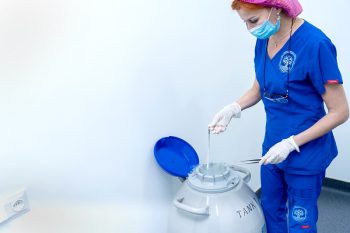
Cryopreservation is the process of freezing and storing biological materials at ultra-low temperatures for their subsequent use. At the Israeli Medical Center of Reproductive Medicine and Family Health in Tashkent, we offer advanced services for the cryopreservation of embryos, eggs, and sperm. This technology is an important part of our assisted reproductive technology (ART) programs and provides patients with the opportunity to plan pregnancy at the most convenient time for them.
How does cryopreservation work?
Cryopreservation allows for the preservation of cell and tissue viability at a temperature of -196°C using liquid nitrogen. This process stops all biological processes, allowing the biomaterial to be stored for an unlimited period of time without loss of quality or functionality. The main stages of cryopreservation include preparation of the biomaterial, its freezing, and storage under special conditions.
Cryopreservation services at IMC
The Israeli Medical Center of Reproductive Medicine and Family Health in Tashkent offers a wide range of cryopreservation services, including:
- Embryo cryopreservation. Storage of embryos obtained as a result of in vitro fertilization (IVF) procedures for their subsequent use. After the IVF procedure, remaining embryos can be frozen and stored for use in future cycles. This avoids the need for repeated ovarian stimulation and egg retrieval.
- Egg (oocyte) cryopreservation. Freezing and storage of eggs for subsequent use in IVF procedures. This procedure is especially useful for women who want to postpone pregnancy for medical or personal reasons.
- Sperm cryopreservation. Storage of sperm for its use in artificial insemination procedures. Sperm freezing is recommended for men before undergoing medical procedures that may affect fertility (e.g., chemotherapy), as well as for sperm donors.
- Ovarian and testicular tissue cryopreservation. Storage of tissues for subsequent transplantation or use in reproductive technologies.
- Abortive material cryopreservation. Genetic research and storage of tissues to identify the causes of spontaneous miscarriage.
Stages of the cryopreservation process
- Consultation and preparation. Before the procedure, the patient undergoes a consultation with a reproductologist and an embryologist to assess health status and discuss all details of the procedure.
- Biomaterial collection. Depending on the type of cryopreservation, eggs, sperm, or embryos are collected.
- Preparation for freezing. Biomaterials such as embryos, eggs (oocytes), or sperm undergo preliminary preparation, including treatment with special cryoprotectants that protect the cells from damage during freezing.
- Freezing and storage. The biomaterial is placed in special containers and frozen at ultra-low temperatures. Subsequently, the frozen biomaterials are stored in special cryostorage facilities or cryobanks, where the required liquid nitrogen temperature of -196°C is maintained. Such storage conditions allow the structure and functionality of the biomaterial to be preserved for a long time.
Advantages of cryopreservation for patients 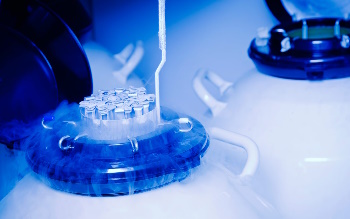
- Flexibility and planning: Cryopreservation allows patients to plan pregnancy at the most suitable time for them, considering career, health, and other life circumstances.
- Preservation of reproductive health: Freezing eggs and sperm allows for the preservation of reproductive material before treatment that may negatively affect fertility (e.g., chemotherapy).
- Increased chances of IVF success: Using frozen embryos in subsequent IVF cycles increases the overall chances of a successful pregnancy.
Advantages of biomaterial storage at IMC
- Modern equipment: The Israeli Medical Center’s own embryological laboratory plays a key role in cryopreservation processes. All procedures for the preparation, freezing, and storage of biomaterials are carried out in our advanced embryological laboratory. We use the latest freezing and storage systems that guarantee the safety and reliability of the process. Our Timelapse incubators allow for 24/7 monitoring of embryo condition, ensuring their maximum viability.
- High qualification of specialists: All procedures are performed by experienced embryologists certified by the American Society for Reproductive Medicine (ASRM). Our specialists regularly undergo training and professional development, guaranteeing the high quality of services provided.
- Compliance with legislation: We strictly comply with all regulatory requirements of the Republic of Uzbekistan, ensuring the legality and safety of all cryopreservation procedures.
Prices for biomaterial storage services
The cost of cryopreservation services varies depending on the type of biomaterial and the storage period. We offer competitive prices and flexible payment terms to make our services accessible to all patients.
IMC offers international-level cryopreservation procedures in Tashkent
Cryopreservation provides unique opportunities for the long-term preservation of biomaterials, which is especially important for patients planning reproductive procedures in the future. The Israeli Medical Center of Reproductive Medicine and Family Health in Tashkent offers a full range of high-quality cryopreservation services using advanced technologies and equipment, guaranteeing high quality and safety of the procedures. Our cryobank ensures all procedures for reliable biomaterial storage, adhering to all international standards and legal requirements.
Cryopreservation at IMC is an effective way to preserve your reproductive material for future use. Contact us to learn more about our services and get a professional consultation.
Send a request
Часто задаваемые вопросы
How long can biomaterials be stored?
Biomaterials can be stored indefinitely provided the necessary temperature and storage conditions are maintained. Research shows that cells and embryos can retain their functionality and viability even after many years of storage.
What biomaterials can be frozen?
Cryopreservation is used for freezing embryos, eggs (oocytes), sperm, as well as ovarian and testicular tissues. This method is also used for storing abortive material for genetic research.
How does the thawing of biomaterials occur?
The thawing process is carried out gradually and in a controlled manner to minimize the risk of cell damage. Thawed biomaterials undergo thorough checking before use.
How safe is the cryopreservation process?
Cryopreservation is a safe procedure when performed in compliance with all necessary standards and protocols. The use of modern technologies and equipment minimizes the risk of damage to biomaterials.
Can frozen biomaterials be used in the future for reproductive purposes?
Yes, frozen embryos, eggs (oocytes), and sperm can be used in in vitro fertilization (IVF) procedures and other reproductive technologies in the future.